In my last post, I explored what a funeral celebrant is and how we compare to Humanist celebrants and religious officiants. But once you’ve decided to work with a celebrant, the natural next question is: what does the process actually look like?
In this post, I will provide a clear picture of what to expect and, hopefully, some reassurance that you won’t be doing any of it alone.
Before the funeral
The process begins with a meeting, usually lasting an hour or two, where your celebrant will sit with you and get to know your loved one. You will talk about their life story: their achievements, their passions, their values, and the people who mattered most to them.
This conversation, which can also take place virtually if you prefer, will give your celebrant a sense of the tone you want for the service. Every family is different. Some want something tender and reflective. Others want to celebrate a life in the style of the person they have lost – even if they had an edgy or cheeky sense of humour! Your celebrant will pick up on this and weave it into the ceremony.
During this meeting, we also work through the service together, touching on music, readings, tributes, and any other elements you’d like to include. Perhaps you would like a symbolic ritual, like a candle lighting, or a way to incorporate your loved one’s culture into the day. Whatever it is, this is your opportunity to share your vision, and our job as celebrants is to help you realise it.
From there, we’ll liaise with the funeral director about the order of service and any logistical details they need to know. Sometimes, there’s more than one conversation. We may follow up with you by phone or email as the ceremony takes shape. After sending you a first draft, we’ll work through it together, refining the words and making sure tributes or readings flow naturally.
If you’re organising a celebration of life in a non-traditional setting, such as a back garden, a beach, or anywhere else that held meaning for your loved one, there’s more scope for creativity than a standard crematorium slot allows. Your celebrant can help you think about what would make the occasion feel special and unique.
On the day
On the day of the service, a celebrant’s role is to hold the space, provide appropriate support, and make sure that every element of the ceremony comes together as intended.
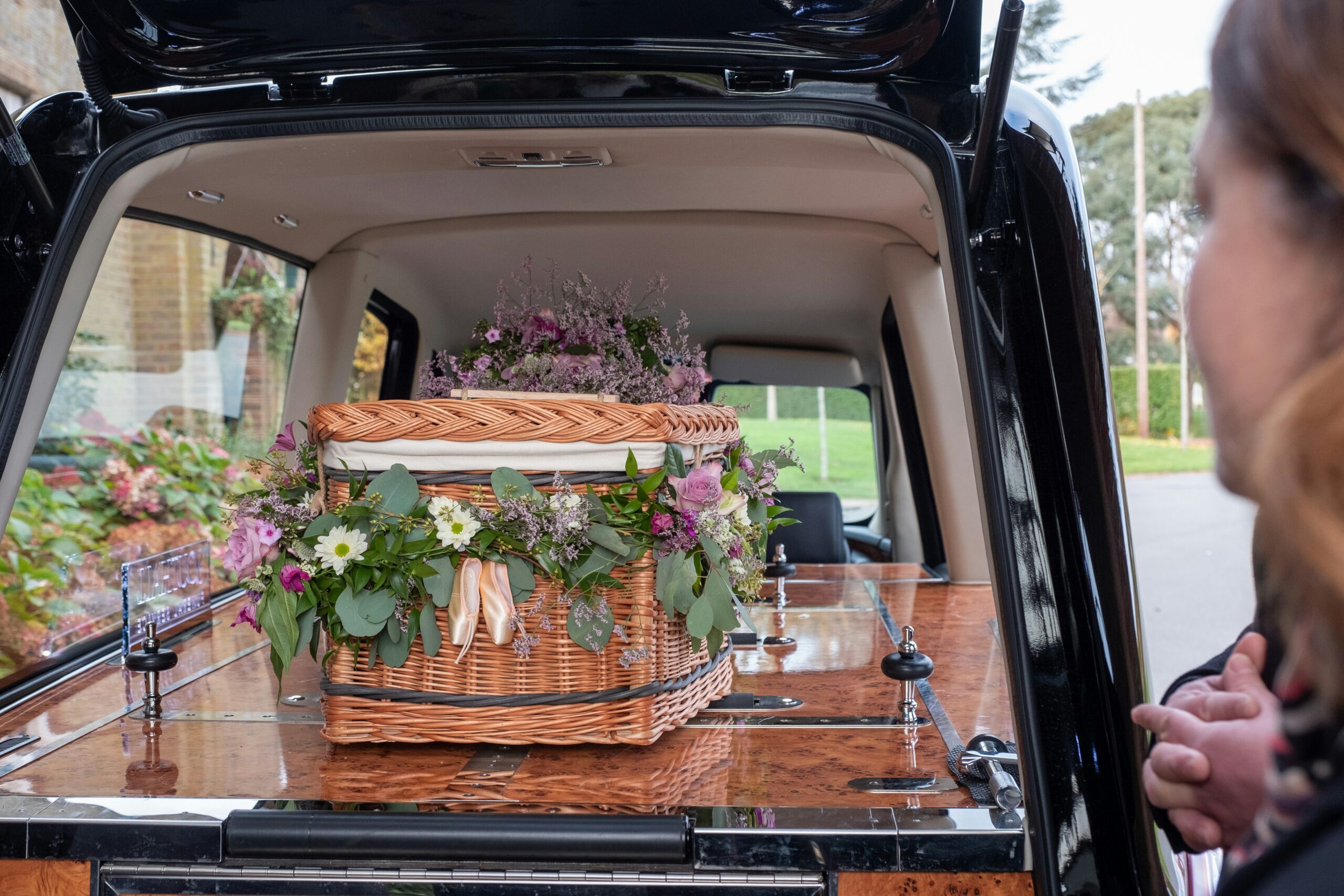
The day of a funeral can often feel overwhelming. People often describe being hit with the reality of someone’s death as they watch the hearse pull up. Your celebrant will work together with the funeral director and their team to create a setting that feels safe and secure, so everyone can experience and process their emotions in the way is right for them.
Your celebrant will also make sure that anyone giving a reading or tribute feels prepared. And, of course, they will deliver the ceremony as you have planned it with them, making sure that everything unfolds as it should.
After the ceremony
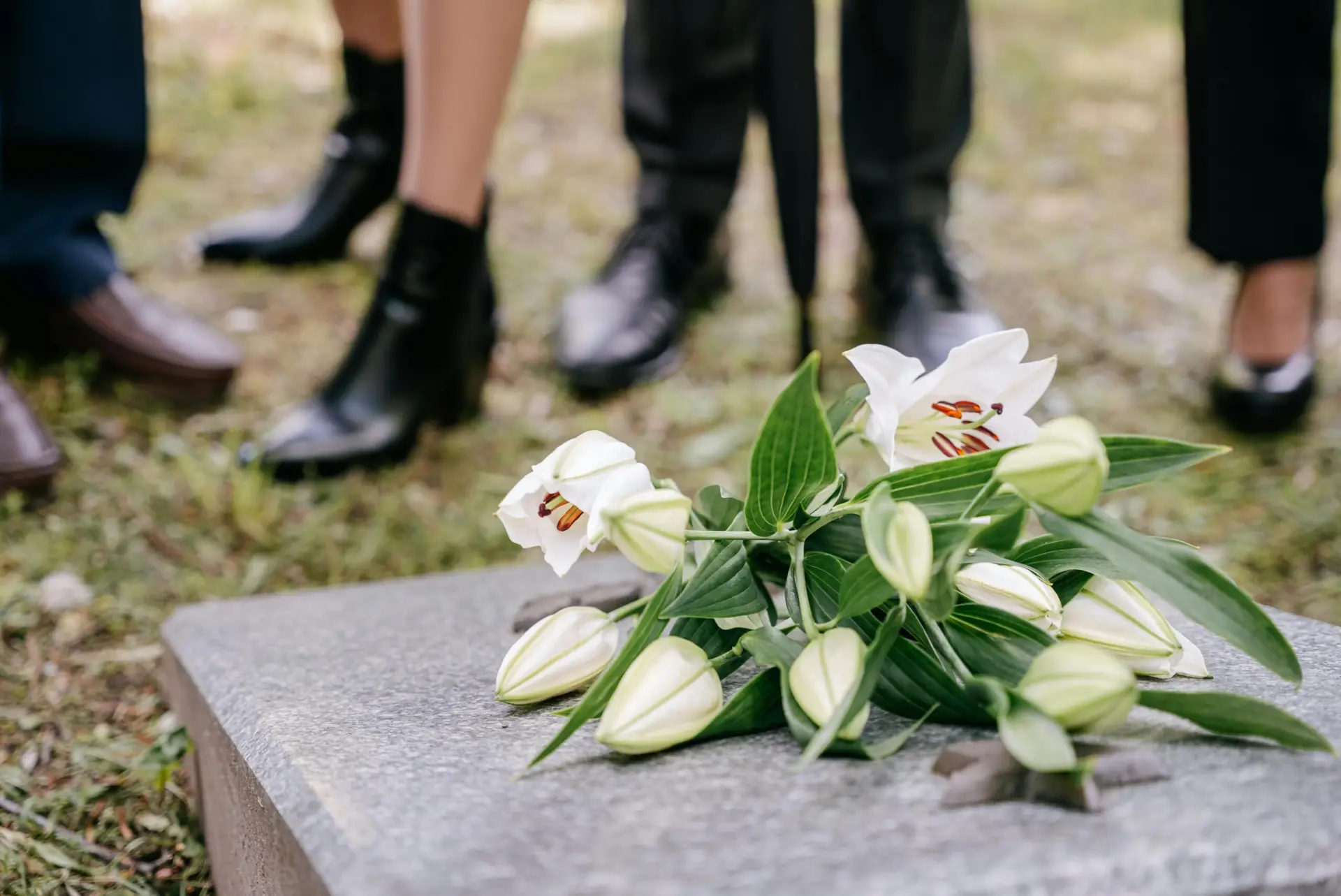
After the ceremony, your celebrant will greet people as they leave the ceremony space and make sure they know what to do next. Usually, this will involve either traveling to a burial ground for the committal or travelling to a venue for the wake. In the days and weeks after the funeral, your celebrant will likely be in touch to see how you are feeling. If you have requested a copy of the full service, they will have sent this to you.
A funeral is one of the most significant things most of us will ever organise for someone we love. And while no ceremony can fully capture everything a person meant to those around them, a thoughtful and carefully crafted service can come very close. A celebrant’s role is to walk alongside you, helping you create something that truly honours the person you’ve lost.
If you’d like to find out more about working with me or simply want to have a conversation about what might be possible, give me a call. I’m always happy to have an informal chat.